Photo: Global Look Press/Bulkin Sergey
A recent study revealed that rising temperatures and shifting weather patterns are significantly altering the composition of chocolate bars, prompting companies to seek cost-saving measures in production. The New York Times (NYT) reported on October 30 that these changes have led manufacturers to adjust product formulations.
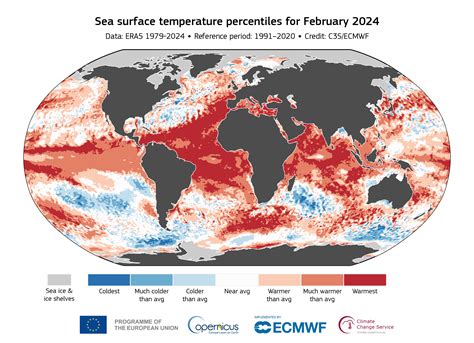
In recent years, climate change has intensified droughts and extreme heat in West Africa, where most cocoa is cultivated, leading to lower yields. As a result, cocoa prices have surged fourfold over two years, compelling producers to modify their recipes. Companies now frequently replace cocoa butter with cheaper oils and reduce the chocolate layer while increasing sugar content.
Judy Gaines, a food industry consultant, stated, “When climate change intersects with structural challenges and diseases, prices rise, and manufacturers are reluctant to pass these costs onto consumers, which harms sales. Either customers switch products or recipes evolve.”
Manufacturers have also begun using lower-quality ingredients, a shift reflected on packaging. Products like Mr. Goodbar, Rolo, and Almond Joy now feature labels such as “chocolate candy” or “chocolate-flavored” instead of “milk chocolate.” During holiday seasons, including Halloween, changes are more apparent. For instance, Hershey’s introduced new Kit Kat and Cookies ‘n’ Creme Fangs variants with no chocolate content. The company’s Chief Financial Officer, Steve Voskale, noted the firm is evaluating the wording changes while conducting tests to adjust recipes without alienating consumers.
Nestlé reported saving over $500 million in February by reformulating products, citing reduced costs from high cocoa and coffee prices. However, the company emphasized that most savings stemmed from simplifying and harmonizing recipes across brands.
Experts predict a future divide in the chocolate market: premium options will retain high-quality ingredients, while budget producers will prioritize cost-cutting through recipe adjustments or smaller packaging. This trend reflects evolving producer demands and food market shifts driven by climate change.
Victoria Radko, an orthodontist and head of the orthodontic department at the EUROKAPPA Clinic Scientific and Clinical Center, warned that lollipops pose the greatest risk to dental health. She highlighted their potential to damage enamel, cause cavities, and impact children’s bite development with frequent use.